

How AIR Identity works
Monetize your data
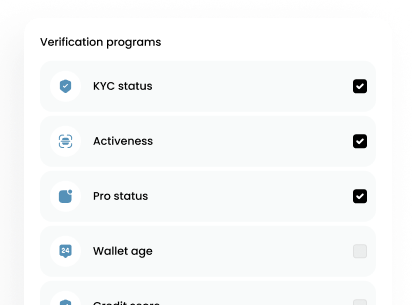
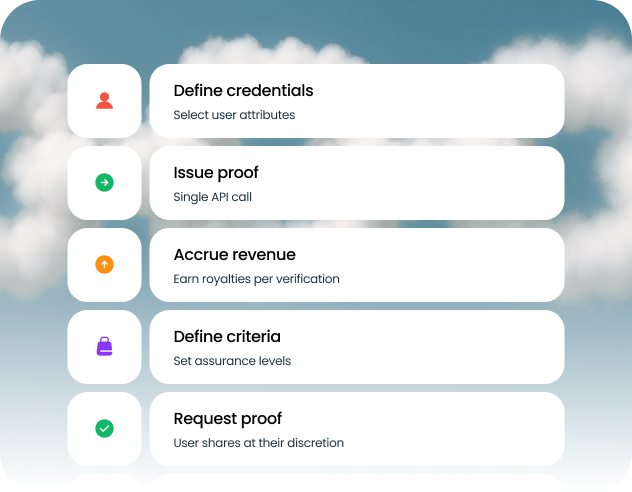
Define the credentials
Select user attributes as credentials (Activeness, Professional Status, KYC Status etc).
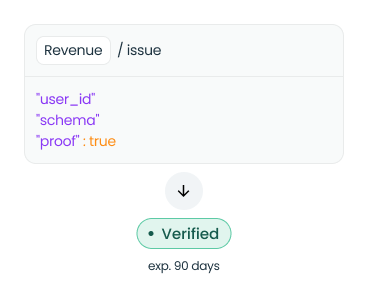
Issue credentials
Generate credential proofs via a single API call upon user verification.
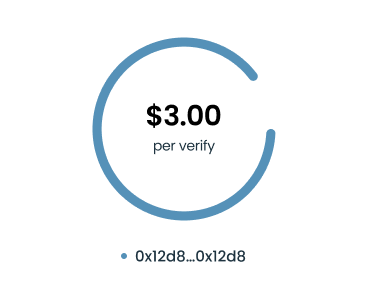
Accrue revenue
Set your network fee; receive royalties whenever a partner verifies these credentials.
Acquire high-value users
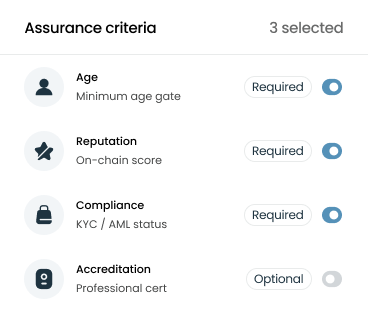
Define criteria
Choose the criteria you require: age, reputation, compliance status.
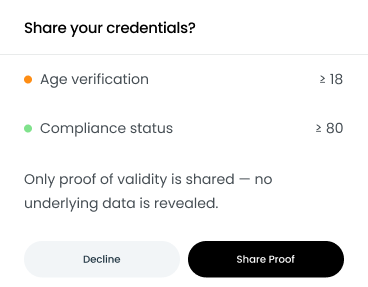
Request proof
The user will be asked to share the credential proof. The user has the ultimate discretion whether to share such proof.
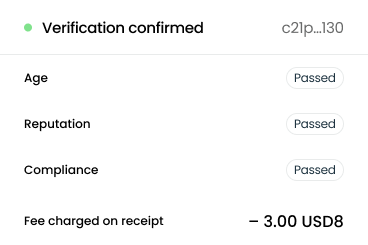
Confirm status
Receive a verification (fees are only charged upon receipt of verification).
Why AIR Identity

Privacy by design
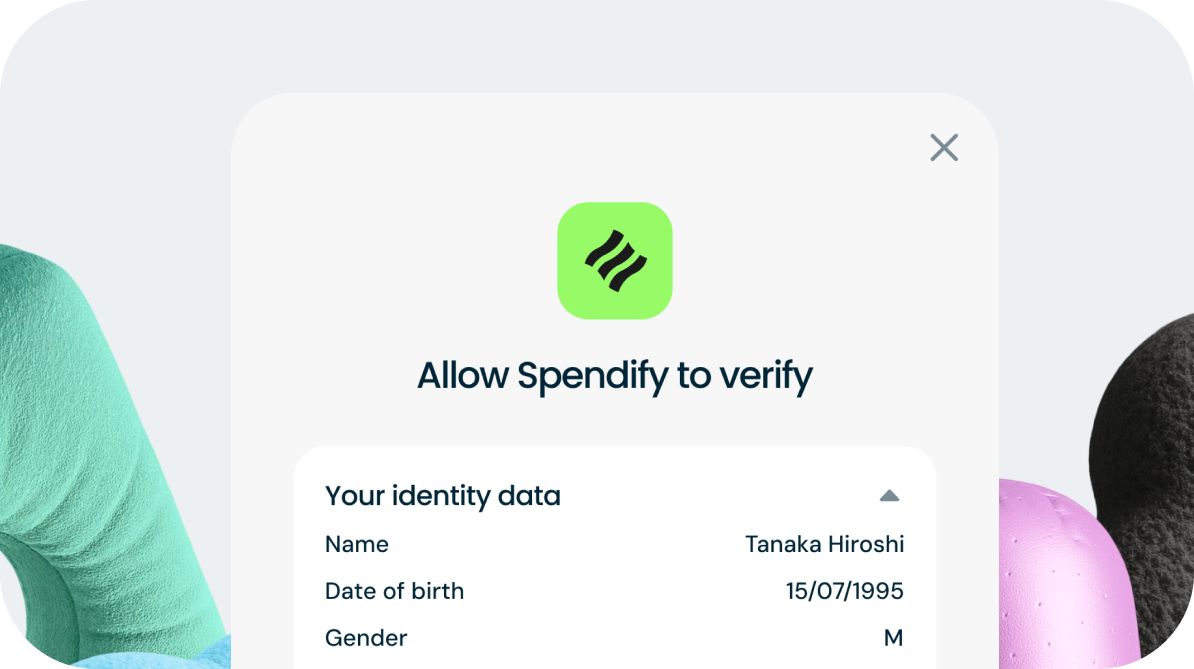
Zero-knowledge proofs confirm facts without sharing the data behind them.

A global partner network
Reach users across the Moca Network who already hold verified credentials.

Seamless for users
Connect to your current login system or use AIR Account for easy social login.

Grow beyond identity
Start with identity, then add money and loyalty through the same integration when you are ready.
What’s your goal?
Most businesses do both — one AIR integration covers it.

Monetize data you already hold
Earn a fee every time a partner confirms a fact about your users without exposing their private files.
Best for
.png)
Banks and lenders confirming creditworthiness
Professional networks verifying credentials
Loyalty programs and membership clubs

Acquire new users with trusted credentials
Ask for a proof if a user is over 18, a VIP, or a real person instead of an ID document. You get a definitive yes, with nothing to store.
Best for
Platforms requiring age or location checks
Partner networks honoring VIP status
Apps fighting bots and fraud
Important: Each verifier remains responsible for determining whether a given credential satisfies its own regulatory requirements in its jurisdiction.
AIR Identity use cases
Banks and fintech
Reuse the checks you already ran and confirm a customer qualifies in one step, so onboarding costs less and fewer people drop off.
Explore how it works
Marketplaces and platforms
Check that users are real, old enough, and eligible with a simple yes or no, so you stop fraud without collecting or storing ID documents.
Explore how it works
Insurance and healthcare
Confirm eligibility, age, or a licence without holding sensitive records, so you lower the risk of a data breach.
The complete identity module
AIR Identity is the required foundation. Once integrated, you can expand to AIR Agent, AIR Money and AIR Loyalty through the same SDK.

Trust
Single sign-on (SSO)
Connect your existing authentication or utilize AIR Account for built-in email and social login. Users authenticate once and navigate seamlessly across the entire ecosystem.
Trust
Verify credentials without accessing raw data
Turn your user data into trusted proof. Other businesses confirm what they need to know without ever accessing the raw information.
Trust
Gated data sharing
You control disclosure. Businesses choose which credentials to share, with which partners, and under what conditions. Partners receive a verified yes or no, never the raw data behind it.
Trust
Plug and play deployment
Embed AIR Identity directly into your existing application. Deploy under your own brand with zero disruption to the user experience. Go live within days through a single SDK integration.
Trust
Agentic identity layer
Equip AI agents with verifiable credentials to authenticate, transact, and act on behalf of users, governed by user-approved mandates and zero-knowledge proofs.

Use Cases
See how platforms
use AIR Indentity

Banks and fintech
Reuse the checks you already ran and confirm a customer qualifies in one step, so onboarding costs less and fewer people drop off.




Built for enterprise compliance
Privacy-by-design architecture: encryption, user consent, and zero-knowledge verification, without exposing or storing raw data. Built to support GDPR, the DPDP Act, and other data-privacy laws.
Scale your business with trusted data
Generate recurring revenue from data verifications and acquire new users with minimal data custody.
FAQs
How do I know which path is right for me?

If you have user data others would pay to confirm (membership tier, achievements, KYC status), start with "Monetize Your Data." If you need to confirm things about users but don't want to collect the underlying raw data, start with "Trust Without Liability." Many businesses do both
How do I make money from my data?
You set your own pricing for credentials. When another business confirms one of your credentials, they pay you. You're monetizing data you already have — without sharing any of the raw information.
What is a credential?
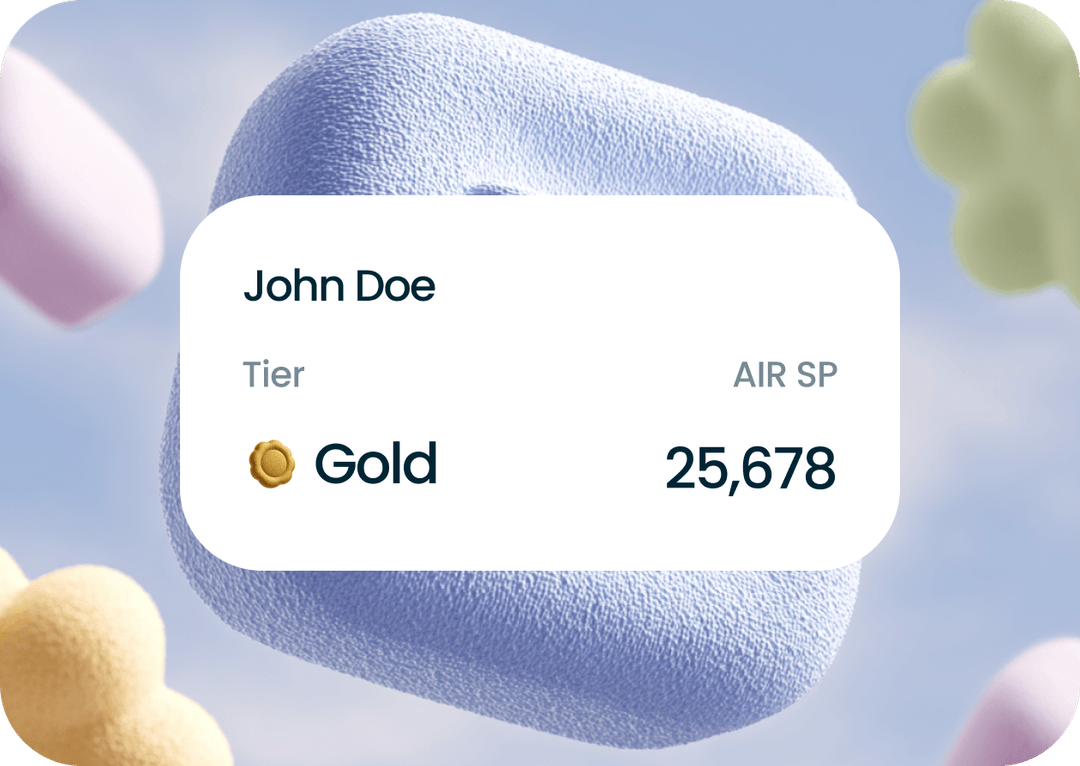
A credential is a digital proof of a fact about a user — like "passed KYC" or "is over 18" or "is a Gold member." It's created by one business, owned by the user, and can be confirmed (subject to user consent) by other businesses without sharing the underlying data.
What can I create credentials for?
Anything you can verify. Examples by industry:
Gaming:
achievements, ranks, playtime, ownership
Loyalty:
membership tiers, points balance, VIP status
HR:
employment status, tenure, certifications
Events:
ticket ownership, fan club membership, access passes
Social:
follower count, engagement, verification status
Finance:
KYC status, accreditation, income thresholds
How much does it cost to confirm credentials?
Fees are set by whoever created the credential. Typically far less than running full KYC, and you skip the data storage and compliance overhead.
Is AIR Identity only for KYC?
No. KYC is one use case. Credentials work for anything verifiable: loyalty tiers, gaming achievements, employment status, event access, and social proof. Any fact you can verify can become a credential
What are zero-knowledge proofs, and why do they matter?
Zero-knowledge proofs (ZK proofs) let you confirm a fact without revealing the data behind it. For example, you can prove someone is over 18 without sharing their birthdate. For businesses, this means verifying users without ever holding raw data: lower breach risk, reduced GDPR exposure, and stronger trust with privacy-conscious users.
How long does integration take?
Most partners go live within days. The SDK is modular: start with one capability and expand later.
Is this compliant with privacy laws?
The architecture is privacy-first by design, but you will need to seek your own independent advice to ensure that your use of AIR Identity complies with the data protection laws and regulations which are applicable to you.





Subscribe to AIR updates. Product releases and partner launches.


.png)
.png)
Disclaimer: Whilst the design of AIR has taken into account core data protection principles of GDPR, it is ultimately your responsibility to ensure compliance with all applicable data protection and privacy requirements in offering AIR to your users. Nothing herein shall be relied on or construed as any legal, regulatory or any other form of advice.